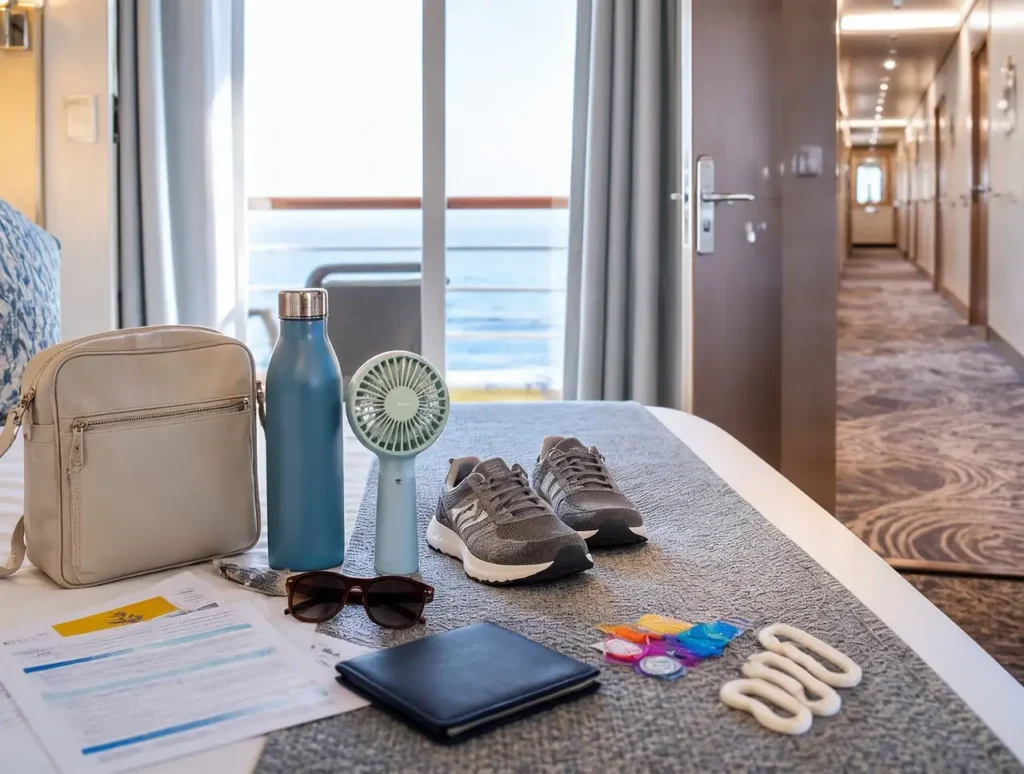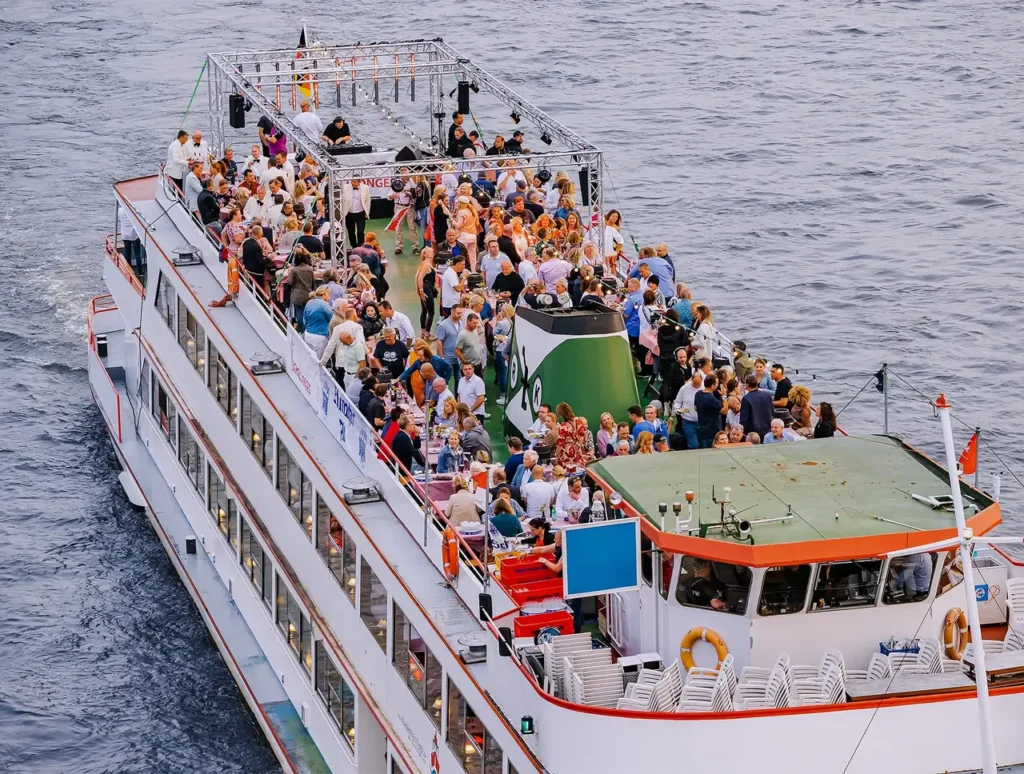
There's an unspoken assumption that every port day means getting off the ship. Most of the time we do — that's usually the whole point of the itinerary, after all. But every so often, usually mid-week, usually after a couple of long shore days in a row, we stay on board instead, and it's rarely a decision we regret.
The ship changes shape when it empties out
With most passengers ashore, the pool deck thins out, the lines disappear, and the whole ship takes on a slower, quieter feel that's almost impossible to experience any other time during the week. It's a genuinely different experience of the same space, and one that's easy to miss if you treat every port as mandatory.
We've used these days for the things that get crowded out otherwise: a long breakfast with no agenda, a nap that isn't rushed, actually finishing the book we brought instead of reading three pages before falling asleep from exhaustion. Small things, but the kind that add up over a full week of near-constant movement.
It isn't about skipping the destination
This only works because we've already been intentional about which ports matter most to us and planned accordingly. Staying aboard isn't about disengaging from the trip — it's about pacing it, so that the ports we do get off for get our full energy instead of leftover energy from a week of nonstop excursions.
We've come back from an off-ship day at half our normal energy more than once, and noticed it in how much we actually enjoyed the excursion. A day of genuine rest in the middle of the week tends to pay that energy back with interest for the ports that follow.
There's also a subtler benefit that took us a while to notice: staying aboard means you actually get to appreciate the ship itself, rather than treating it purely as transportation between destinations. The design, the little details in the public spaces, the crew who keep everything running — all of it is easier to notice and enjoy on a day when you're not rushing off to catch a tender.
The decision is usually made the night before
We've learned not to force it. Some weeks, every port earns its place and we're off the ship early each morning without a second thought. Other weeks, by day four or five, it's obvious that one of us — or both of us — needs a slower day before the next excursion. Making that call the night before, rather than scrambling in the morning, tends to make the whole thing feel like a choice instead of a fallback.
It's a small thing, staying aboard for a day. But it's become one of those habits that quietly makes the rest of the cruise better, simply by giving us permission to not do everything.
What an empty ship actually feels like
It's a strange, pleasant sensation the first time you experience it — the same ship that felt genuinely busy the day before suddenly has open loungers everywhere, no line for coffee, and a kind of hush over the whole vessel that's hard to describe to someone who hasn't felt it. Staff have a bit more time to chat. The pace of the whole day slows to match the smaller crowd.
We've talked to other cruisers who admitted they'd never once considered staying aboard, purely out of a sense that it would be 'wasting' the port. We understand the instinct completely — we felt it ourselves the first time — but it's worth trying at least once. It tends to change how you think about the rest of the itinerary.