We'd seen the photos, the way most people have — glaciers, mountains, water so still it looks painted. Everyone who's been says some version of the same thing beforehand: it's bigger than you think, bring a real camera, you won't believe it. None of it prepared us for what it's actually like to be there, and it took a couple of days to understand why the warnings never quite land in advance.
It's a scale problem, not a beauty problem
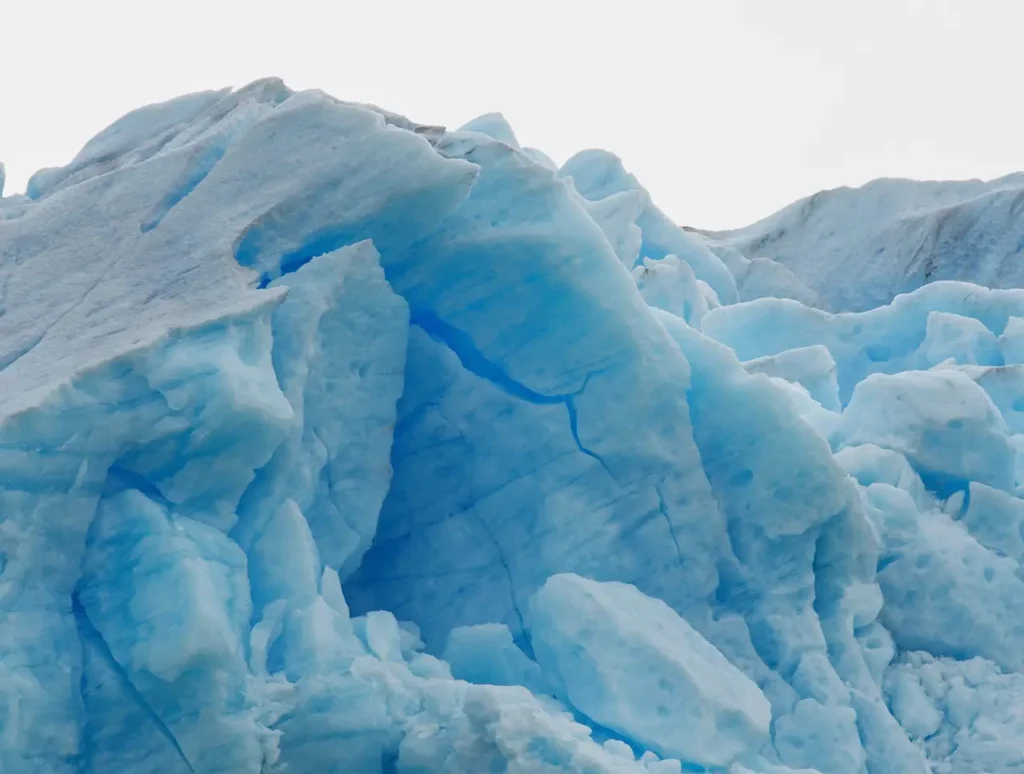
Photographs flatten distance. A mountain range that takes up your entire field of vision becomes a background detail in a picture, and a glacier that's taller than a building becomes a blue smear near the water line. In person, none of that compression happens — everything is exactly as large as it actually is, and it's disorienting in the best way, the kind of disorientation that makes you stop mid-sentence.
There's also nothing nearby to compare it to. No familiar building, no person standing at the base for scale, nothing your brain can use as a reference point. So the landscape just reads as enormous in a way that's hard to process quickly, and easy to underestimate from a screen.
It's the kind of thing you notice yourself trying and failing to explain to people back home. Words like 'huge' and 'massive' get used constantly on a trip like this and somehow all still feel inadequate by the end of the week, worn smooth from overuse but never quite matching what's actually in front of you.
The light does something too
Depending on the season, the light stretches out in a way that changes how the whole landscape reads — softer, longer shadows, colors that shift slowly instead of all at once. It's the kind of thing you notice is different before you can explain why, and it makes the same view look meaningfully different from one hour to the next.
We stopped photographing and started watching
By the second day we'd mostly stopped trying to photograph everything and started just watching it instead. Partly because the photos genuinely weren't doing it justice, and partly because we realized we were spending more time looking through a viewfinder than actually looking. Once we let that go, the trip slowed down in a good way.
- Give yourself permission to not photograph everything
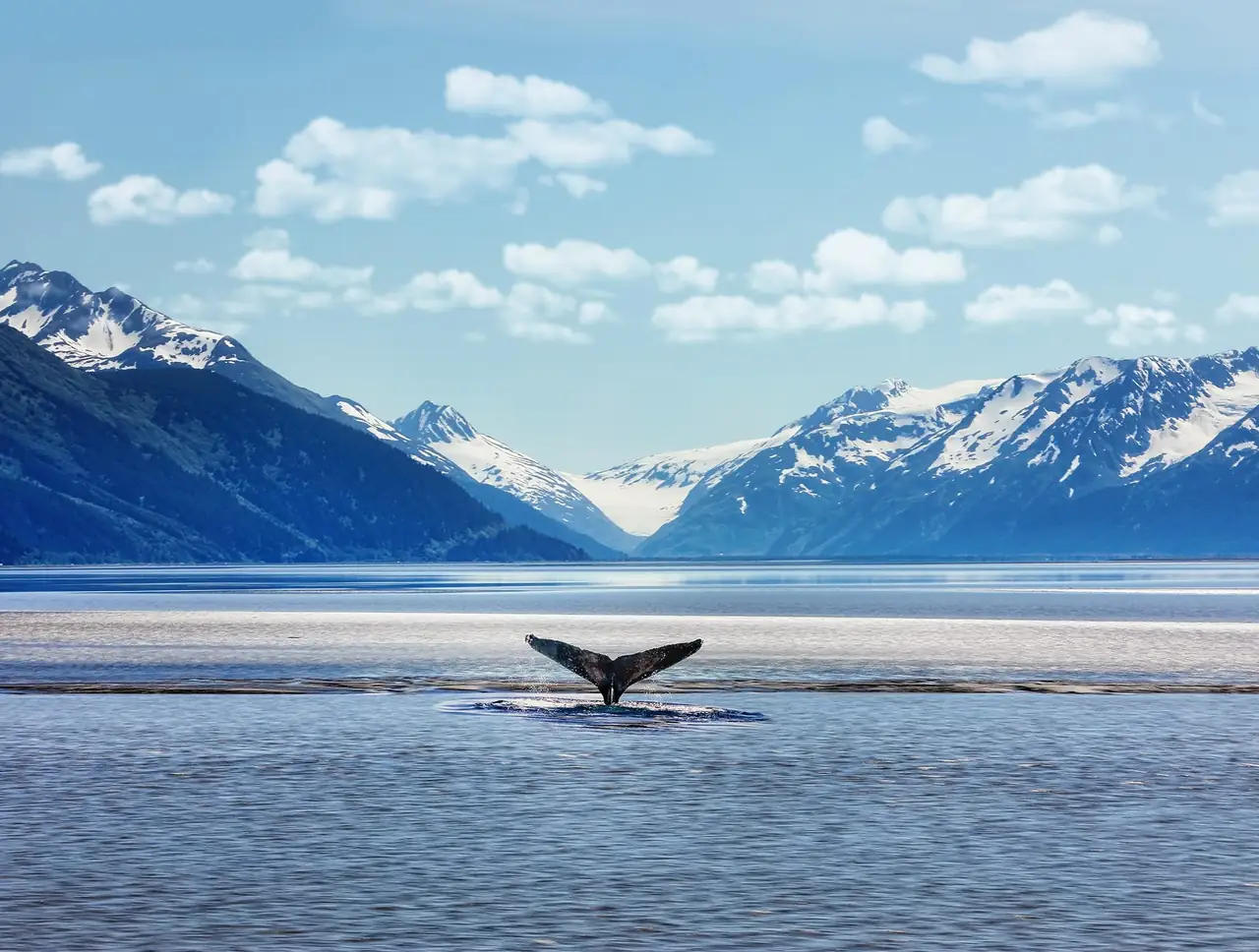
- Watch the water for wildlife even when nothing's been announced
- Layer up more than feels necessary — the wind off the water changes everything
- Pick a few moments to really be present for, rather than documenting all of them
That, more than any single sight, is what we remember most. Not a specific photo, but the general, physical sensation of being somewhere that felt genuinely larger than what we'd prepared ourselves for. It's the kind of place that makes you recalibrate what 'big' even means, and that recalibration is worth the trip on its own.
The silence adds to the scale
There's a stretch of quiet that settles in when you're moving past a landscape this large, especially away from the ports and closer to the more remote stretches of coastline. Fewer sounds compete for your attention out there, which somehow makes the scale even more noticeable — nothing to distract you from just how much space there is around you.
We'd expected Alaska to be beautiful. We hadn't expected it to be quite this humbling, in the specific sense of making our usual points of reference feel small and slightly irrelevant. That's not a complaint. If anything, it's the exact thing that made the trip worth taking.