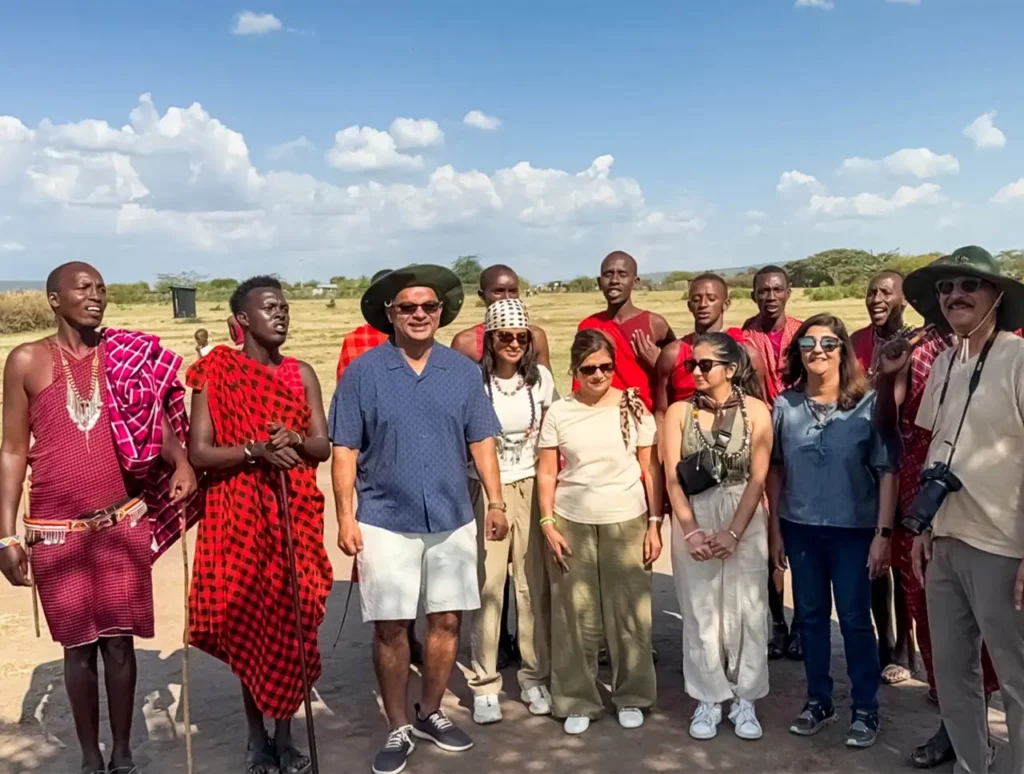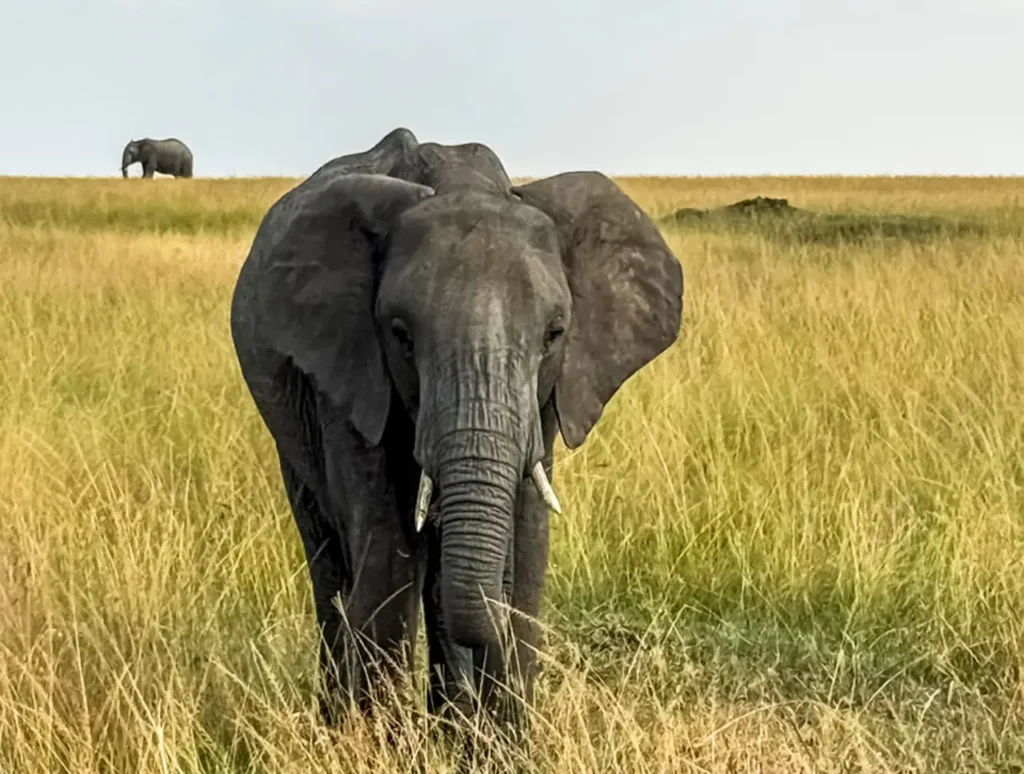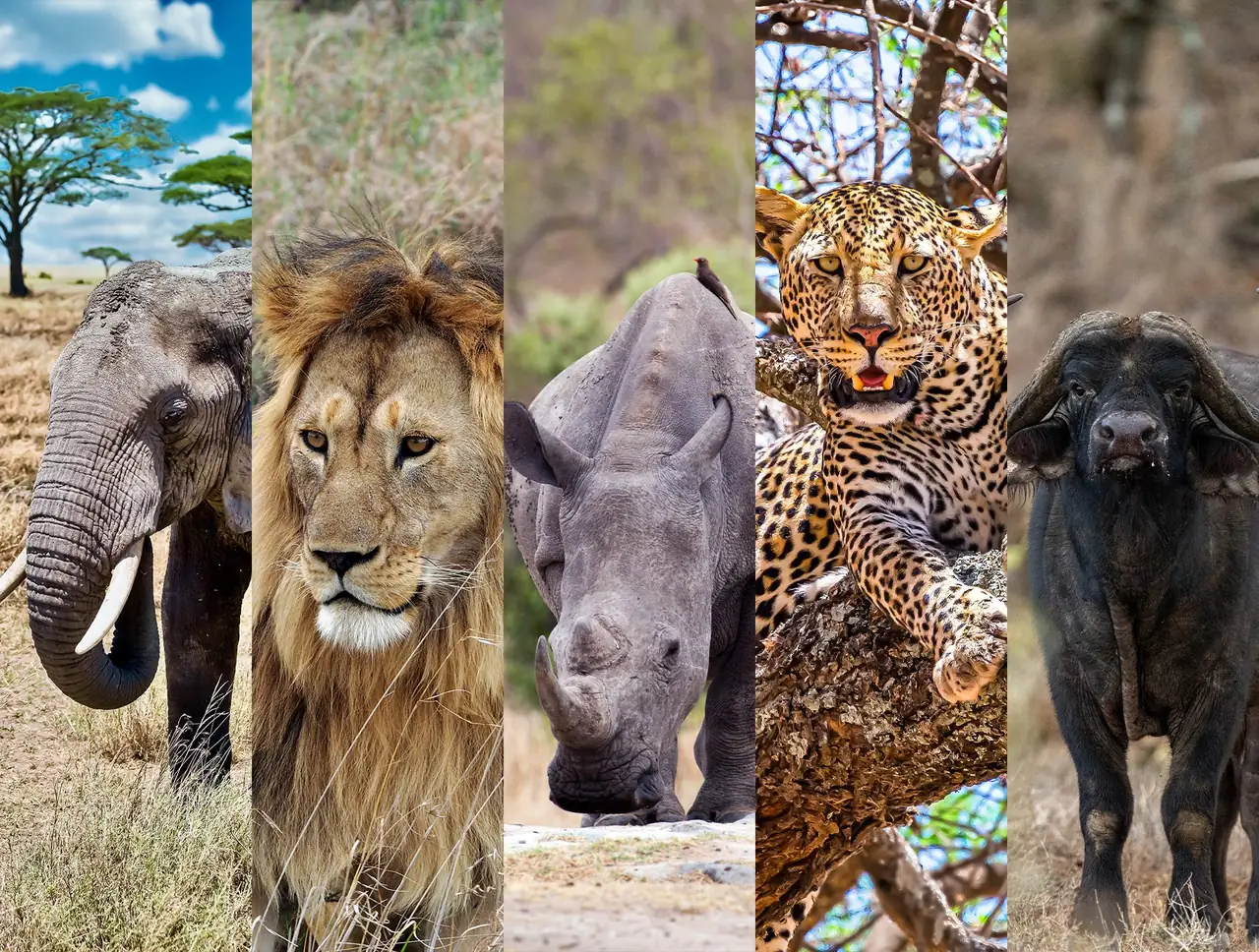
The Big Five is the thing everyone asks about before a safari and the thing almost nobody talks about afterward in the same way. We went in with the list in mind, the way most first-time safari travelers do — it's a natural way to frame expectations for a trip built around wildlife you've never seen up close. What actually stayed with us, once we got home and started telling people about it, was everything happening around it.
The list is a good excuse to pay attention
Tracking five specific animals means spending long stretches of time scanning the landscape closely — which is exactly how you end up noticing everything else. A hundred small things happen on a game drive that have nothing to do with the checklist: a bird doing something strange, light hitting the grass a certain way, a guide pointing out tracks most of us would have walked straight past without a second glance.
In that sense, the checklist did its job even though it stopped being the point. It gave us a reason to look closely at a landscape we might otherwise have skimmed past, and that closer attention is where most of the good memories actually came from.
We've since talked to first-time safari travelers who arrive determined to see all five in the first two days, treating each drive as an opportunity that either succeeds or fails based on the checklist. We understand the instinct, but it tends to work against the trip rather than for it — the drives that produced the best stories for us were rarely the ones we approached with that kind of urgency.
The mornings deserve their own mention
Early drives have a completely different character than the rest of the day. The air is colder, the animals tend to be more active before the heat sets in, and the light does something to the landscape that's hard to see at any other hour. More than once, the best twenty minutes of a full day happened in that early window, well before most of the itinerary's 'highlights' were even scheduled to begin.
What we remember best
- The mornings, cold enough for blankets, before the day heats up
- Our guide's ability to read the landscape in ways we couldn't begin to
- The moments between sightings, which turned out to be most of the drive
- A quiet lunch stop with a view that had nothing to do with the checklist
None of those moments made it onto any list beforehand, because none of them were things we knew to expect. That's probably the real lesson of the whole trip — the itinerary tells you what you're likely to see, but it can't tell you what you'll actually remember, and those two things overlap much less than you'd think going in.
Did we complete the list
We did see all five, eventually, spread across different drives, and there was a genuine moment of satisfaction each time one got crossed off. But if you'd asked us on the flight home what the safari was actually about, the list would barely have come up. It was the framework the trip was built around, not the story we ended up telling.
What we'd tell a first-timer
If you're heading out on your first safari with the Big Five firmly in mind, that's completely fine — it's a natural way to frame the trip, and there's real satisfaction in checking each one off as it happens. Just hold the list loosely. Let your guide set the pace of the day rather than pushing to find the next name on it, and pay attention to what's happening in between.
The travelers we've met who seemed happiest at the end of a safari weren't the ones who'd completed the list fastest. They were the ones who'd clearly been paying attention to everything else along the way, and who talked about the trip afterward in terms of moments rather than a scorecard.