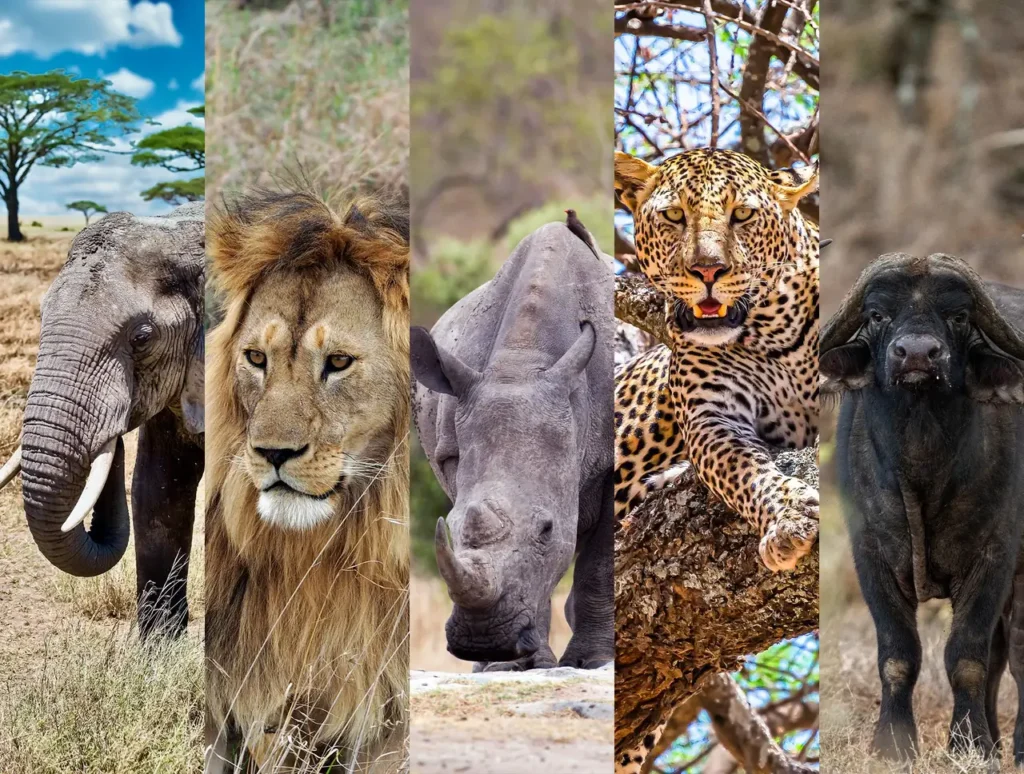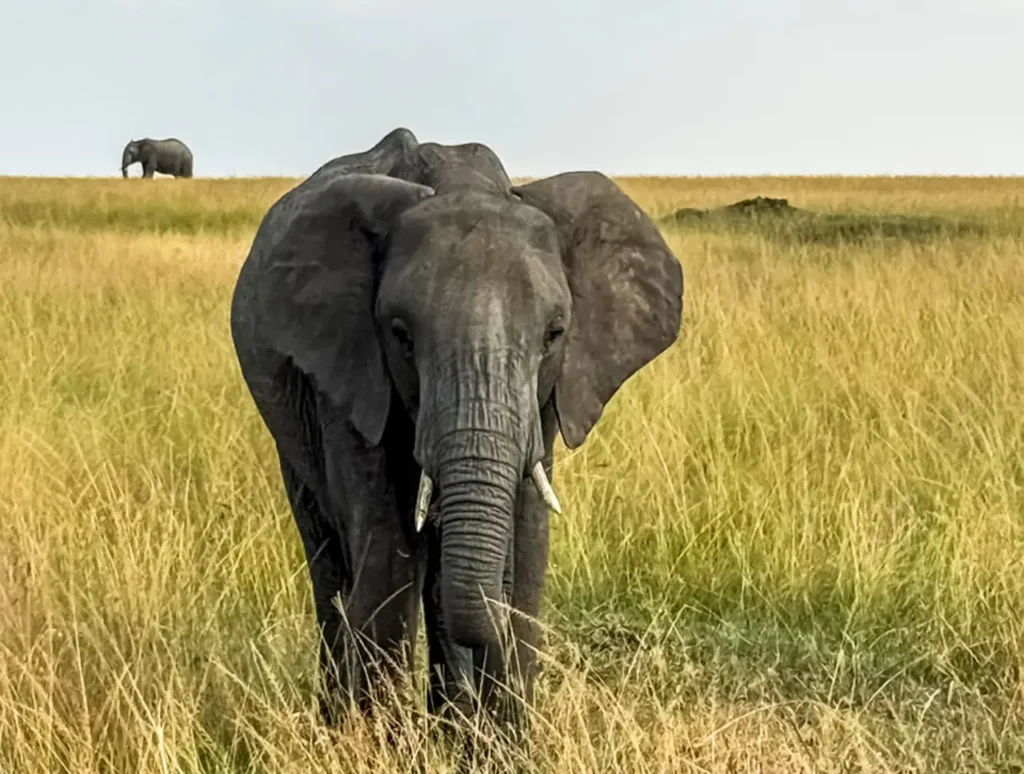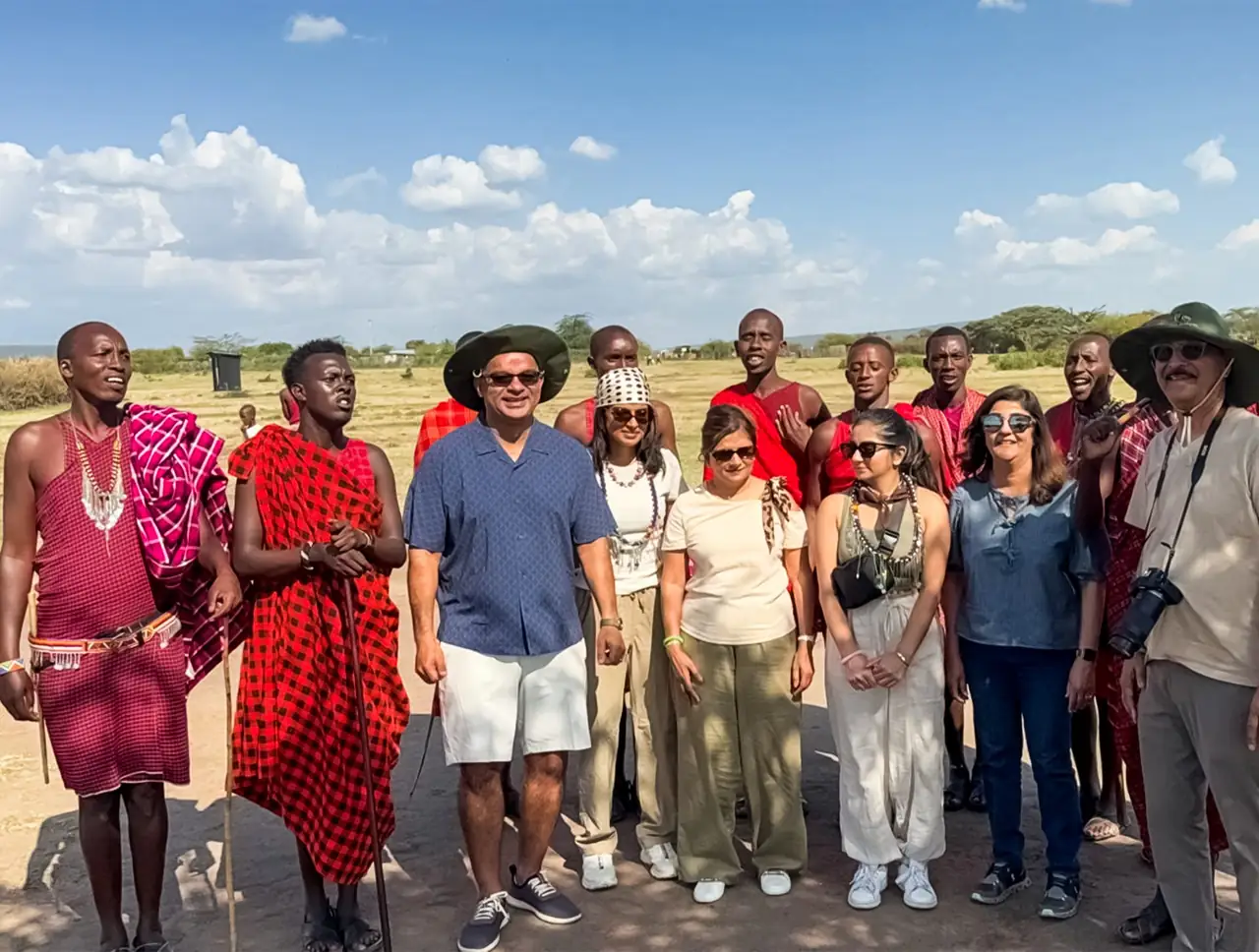
Before our first safari, we assumed the appeal was straightforward: go somewhere with a high concentration of animals you don't see at home, and watch them. That's true as far as it goes, and it's a perfectly good reason to book a trip. It's just not the whole story, and it stopped being the whole story for us fairly quickly, usually within the first day or two.
The land itself does a lot of the work
There's a rhythm to the bush that has nothing to do with any single animal — the way the light changes across a day, the sounds that shift from morning to evening, the sense of being somewhere genuinely wild rather than managed for visitors. That atmosphere turned out to matter as much as any single sighting, and it's the part that's hardest to explain to someone who hasn't experienced it firsthand.
It's easy to underestimate how much of a safari is really about that atmosphere until you're sitting still in it — the temperature dropping as the sun goes down, the insects starting up right on schedule, a landscape that feels alive even in the stretches without a single animal in sight.
We started noticing, a few days in, that we were paying closer attention to sunsets there than we tend to anywhere else. Nothing about the sky itself was necessarily different from a sunset at home. It was the setting around it — the openness, the sounds beginning to shift for the evening — that made the whole thing feel worth stopping for, every single time, in a way that surprised us.
The guides make the difference
A good guide isn't just finding animals — they're reading a landscape most of us have no ability to interpret, and translating it into something we can understand and appreciate. A shift in birdsong, a set of tracks in the dust, the direction a group of animals is facing — all of it means something to someone who's spent years learning to read it, and almost nothing to a first-time visitor without that guidance.
The best conversations of the trip happened during quiet stretches of driving, not during the sightings themselves — questions about the ecosystem, about the history of the land, about how the guide first got into this work. Those conversations added a layer to the trip that no amount of animal sightings alone could have provided.
It reframes how you think about wildlife generally
Spending real time in a place like this changes how you think about wildlife even after you've left it. It's harder to watch a nature documentary the same way once you've experienced the actual scale, sound, and unpredictability of an ecosystem in person. The documentary version is tidy and edited; the real version is slower, quieter, and far more interesting for it.
- Ask your guide questions beyond 'what animal is that'
- Sit with the quiet stretches instead of wishing them away
- Pay attention to the landscape changing across the day, not just the wildlife in it
- Expect the trip to change how you think about nature travel generally
That combination — the land, the pace, the people reading it for you — is what actually pulls people back to safari again and again, long after the novelty of seeing a lion for the first time has worn off. The animals get you there. Everything else is what makes you want to come back.